


Timeless Elegance and Artistic Mastery
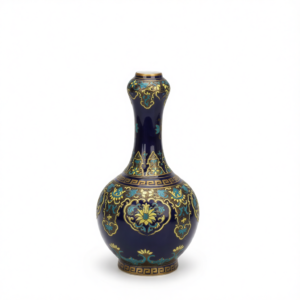
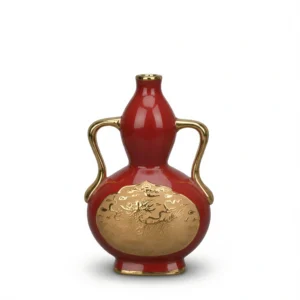
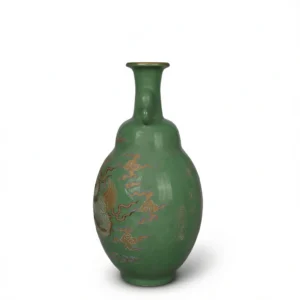
Immerse yourself in the rich heritage of Chinese porcelain with this magnificent Ming Chenghua Style Gilt Doucai Dragon Garlic Head Vase. This exceptional piece is a testament to the enduring artistry of the Chenghua reign (1465-1487), a period renowned for its exquisite ceramic creations. Drawing profound inspiration from this golden era, this vase embodies the sophisticated aesthetic and meticulous craftsmanship that defined Ming Dynasty porcelain. Its striking "garlic head" silhouette, a classic form featuring a bulbous base that elegantly tapers to a
...Timeless Elegance and Artistic Mastery
Immerse yourself in the rich heritage of Chinese porcelain with this magnificent Ming Chenghua Style Gilt Doucai Dragon Garlic Head Vase. This exceptional piece is a testament to the enduring artistry of the Chenghua reign (1465-1487), a period renowned for its exquisite ceramic creations. Drawing profound inspiration from this golden era, this vase embodies the sophisticated aesthetic and meticulous craftsmanship that defined Ming Dynasty porcelain. Its striking "garlic head" silhouette, a classic form featuring a bulbous base that elegantly tapers to a slender neck and a gracefully flaring mouth, speaks to a harmonious balance and refined taste.
The Artistry of Doucai and Gilt Embellishment
At the heart of this vase's allure is the celebrated Doucai (contending colors) enamel technique. This sophisticated method involves the precise application of underglaze blue outlines, which are then meticulously filled with vibrant overglaze enamels. The result is a stunning interplay of colors and delicate details that appear to "contend" with each other, creating a depth and luminosity rarely achieved. Complementing this intricate decoration is the tasteful application of gilt, which adds a layer of opulence and highlights the intricate dragon motifs. The gilt work enhances the visual richness, catching the light and drawing attention to the dynamic, coiling dragons that symbolize power, prosperity, and good fortune.
Specifications and Dimensions
This Ming Chenghua Gilt Doucai Dragon Vase is crafted with precision and attention to detail. The dimensions are as follows:
| Measurements shown in cm (inches). | |
| Specification | Value |
|---|---|
| Height | 22.7 cm (8.94") |
| Diameter of Opening | 3.3 cm (1.30") |
| Diameter (widest point) | 13.5 cm (5.31") |
| Base Diameter | 6.8 cm (2.68") |
These carefully measured dimensions ensure a balanced and visually appealing piece, perfect for display.
Versatile Use Cases and Decorative Potential
This antique porcelain vase is more than just a decorative object; it's a piece of history and a statement of refined taste. Its classic form and intricate decoration make it an ideal centerpiece for any room, adding a touch of imperial grandeur to your living space.
- Elegant Display Piece: Place it on a mantelpiece, console table, or bookshelf to create a focal point that sparks conversation.
- Complementary to Traditional Decor: Its Ming Dynasty inspiration makes it a perfect addition to interiors featuring traditional Chinese, Asian, or classic European aesthetics.
- Subtle Sophistication for Modern Spaces: Even in contemporary settings, this vase can introduce a unique element of historical artistry and refined elegance.
- Gift of Distinction: For collectors of antique porcelain or those who appreciate fine art, this vase makes an unforgettable and treasured gift.
Reasons to Own This Masterpiece
Owning this Gilt Doucai Dragon Garlic Head Vase offers a unique opportunity to connect with a rich artistic legacy. The meticulous Doucai porcelain technique, combined with the opulent gilt accents and the symbolic dragon imagery, creates a piece of unparalleled beauty and cultural significance. Its balanced proportions and the distinctive garlic head shape are hallmarks of Ming Dynasty ceramic excellence, ensuring it will be a cherished item for years to come. This vase is not just an acquisition; it's an investment in art, history, and enduring style.
Frequently Asked Questions About Doucai Porcelain and Decorative Vases
What is the significance of the "garlic head" shape in Chinese porcelain?
The "garlic head" or "suan tou" shape is a classic and enduring form in Chinese ceramics, particularly popular during the Ming and Qing dynasties. Its bulbous base tapering to a slender neck and flaring mouth is aesthetically pleasing, offering a balanced and elegant silhouette that is well-suited for decorative purposes and for showcasing fine glazes and paintings.
Can I use this vase to hold fresh flowers?
While this Ming Chenghua style vase is a beautiful decorative piece, its primary purpose is aesthetic display. For fresh flowers, it is recommended to use a separate inner container or vase to hold water and protect the delicate glaze and gilt from prolonged moisture exposure, which could potentially affect its condition over time.
How should I clean and maintain my Doucai porcelain vase?
To maintain the pristine condition of your Doucai porcelain, gentle cleaning is advised. Dust regularly with a soft, dry cloth. For any light smudges, a slightly damp (not wet) soft cloth can be used sparingly, followed immediately by a dry cloth. Avoid abrasive cleaners, harsh chemicals, or submerging the vase in water, as these can damage the enamels and gilt.
What does "Doucai" mean, and why is it considered a sophisticated technique?
"Doucai" translates to "contending colors" or "contrasting colors." It's a sophisticated enamel technique where the design is first outlined in underglaze cobalt blue, then fired. After the initial firing, vibrant overglaze enamels are meticulously applied within these blue outlines. This dual firing process allows for a unique depth and luminosity, as the colors appear to "contend" or complement each other, creating a rich visual effect.
Are the dragon motifs on the vase historically accurate to the Chenghua period?
The dragon motif is a recurring and highly significant symbol in Chinese art, particularly during imperial dynasties like the Ming. While specific stylistic interpretations of dragons evolved, the depiction of coiling dragons was a hallmark of imperial porcelain. This vase's design draws inspiration from the general aesthetic and symbolic representations prevalent during the Chenghua reign, aiming to capture its artistic spirit.
What is the typical lifespan of gilt on antique porcelain?
The longevity of gilt on antique porcelain can vary significantly depending on its original application, the quality of materials used, and subsequent handling and environmental conditions. While gilt can be delicate and prone to wear over time, well-preserved pieces like this Ming Chenghua style vase can retain their gilt embellishments for centuries with proper care.
How does the gilt application enhance the value and appearance of the vase?
The application of gilt adds a layer of opulence and visual richness to the vase. It highlights the intricate details of the painted motifs, such as the scales and sinews of the dragons, and adds a luxurious sheen. This embellishment elevates the aesthetic appeal, making the piece more visually striking and often increasing its perceived value as a decorative art object.
What makes a porcelain vase a good collectible item?
Collectible porcelain vases are typically valued for their historical significance, artistic merit, rarity, craftsmanship, and condition. Pieces inspired by renowned historical periods like the Ming Dynasty, featuring sophisticated techniques such as Doucai, and possessing unique decorative elements like gilt and symbolic motifs, are highly sought after by collectors. The provenance and authenticity also play crucial roles in a piece's collectibility.










 No products in the cart.
Reviews
There are no reviews yet.