


Own a Piece of History: Exquisite Qing Dynasty Ru Kiln Gilded Blue & White Porcelain Vase
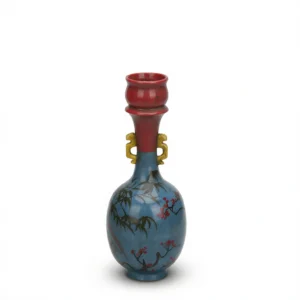
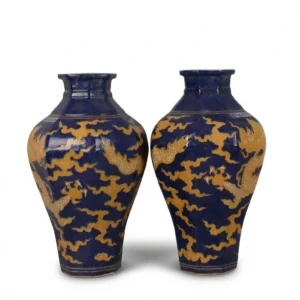
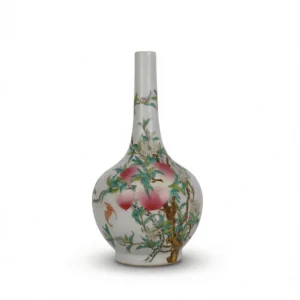
Immerse yourself in the rich history and unparalleled artistry of the Qing Dynasty with this magnificent Ru Kiln vase. This exceptional piece showcases the pinnacle of ancient Chinese ceramic craftsmanship, blending delicate fēn cái (overglaze enamel) detailing with the iconic jìlán yóu (sky blue glaze). The vibrant floral and bird motifs, rendered with exquisite detail, dance across the luminous blue surface, creating a scene of natural beauty and tranquility. Gilded accents further elevate its opul
...Own a Piece of History: Exquisite Qing Dynasty Ru Kiln Gilded Blue & White Porcelain Vase
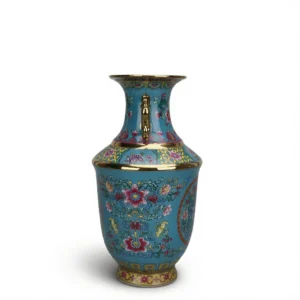
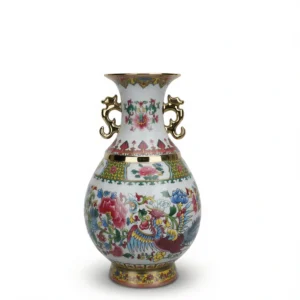
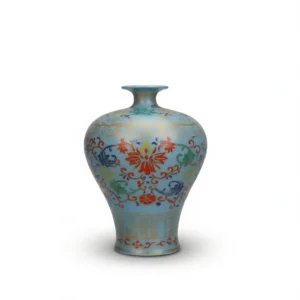
Immerse yourself in the rich history and unparalleled artistry of the Qing Dynasty with this magnificent Ru Kiln vase. This exceptional piece showcases the pinnacle of ancient Chinese ceramic craftsmanship, blending delicate fēn cái (overglaze enamel) detailing with the iconic jìlán yóu (sky blue glaze). The vibrant floral and bird motifs, rendered with exquisite detail, dance across the luminous blue surface, creating a scene of natural beauty and tranquility. Gilded accents further elevate its opulence, adding a touch of regal splendor that speaks to its imperial origins.
What Makes It Stand Out
This vase is more than just an object; it is a portal to the past and a testament to enduring artistic achievement.
The Glaze: Captivating Sky Blue
Features a deep, lustrous jìlán yóu (sky blue glaze) that is both captivating and serene. This specific type of cobalt-blue glaze requires precise control over composition and firing, resulting in a uniform and luminous finish.
The Decoration: Intricate Fēn Cái Artistry
Adorned with intricate fēn cái (overglaze enamel) paintings of vibrant flowers and graceful birds. This technique, developed during the Qing Dynasty, involves applying opaque enamel colors to the fired glaze, allowing for a wide range of subtle hues and detailed painterly effects.
The Finish: Luxurious Gilding
Enhanced with delicate gold leaf application, providing a luxurious and radiant finish. The gilded elements are typically applied using gold leaf or powder, then fired at a lower temperature to achieve a genuine gold luster.
The Form: Classic Double-Eared Vase
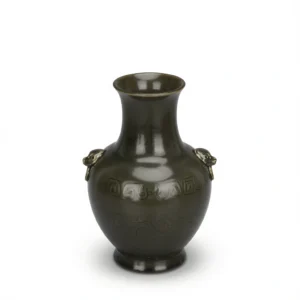
A classic double-eared vase shape, offering elegant lines and a substantial presence. Its proportions are carefully crafted for optimal display, making it a statement piece without being overwhelming.
The Presentation: Ready for Gifting
Presented in a beautiful wooden gift box, signifying its value and suitability as a cherished collectible or a distinguished gift.
A Legacy of Ru Kiln Excellence
Ru Kiln, renowned for its rare and highly prized celadon glazes, represents a zenith in Chinese pottery. While this vase is attributed to the Qing Dynasty, it carries forward the esteemed tradition of Ru Kiln's mastery of glaze application and firing techniques. The characteristic crackle pattern, a hallmark of genuine Ru Kiln wares, adds depth and character, telling a story of time and meticulous creation.
Materials and Build
This vase is crafted from high-quality porcelain, expertly glazed and decorated with meticulous attention to detail. The gilding is applied with the finest gold leaf, ensuring a rich and enduring finish. Each element of its construction speaks to the dedication and skill of the artisans who created it.
Specifications
Measurements shown in cm (inches).
| Dimension | Value |
|---|---|
| Height | 19.5cm (7.68") |
| Mouth Diameter | 8.3cm (3.27") |
| Body Diameter | 10.8cm (4.25") |
| Base Diameter | 6.2cm (2.44") |
| Specification | Details |
|---|---|
| Era | Qing Dynasty |
| Glaze Type | Jìlán Yóu (Sky Blue) |
| Decoration Type | Fēn Cái (Overglaze Enamel) |
| Accents | Gilding (Gold Leaf) |
| Form | Double-eared vase |
| Includes | Wooden gift box |
How It Fits Into Your Routine
Owning this Qing Dynasty Ru Kiln vase is an investment in art, history, and culture. Its unparalleled beauty makes it an ideal decorative piece for any sophisticated interior, adding a touch of imperial grandeur to living rooms, studies, or display cabinets.
- As a centerpiece, it commands attention and sparks conversation, a testament to enduring artistic achievement.
- In a curated collection, it serves as a rare and historically significant addition, potentially becoming an heirloom to be passed down through generations.
- As a distinguished gift, it is perfect for art enthusiasts, collectors, or anyone who appreciates the finer things in life, making it suitable for special occasions.
Common Questions, Answered Honestly
What is the significance of 'Ru Kiln' in Chinese ceramics?
Ru Kiln was one of the 'Five Great Kilns' of the Song Dynasty, famous for its rare, exquisite celadon glazes. Pieces from this era are incredibly rare and highly prized. This vase, attributed to the Qing Dynasty, honors that legacy with its exceptional glaze and craftsmanship.
What does 'fēn cái' refer to in the description?
Fēn cái, meaning 'pastel colors' or 'enamel colors,' is a style of overglaze decoration developed during the Qing Dynasty. It involves applying opaque enamel colors to the fired glaze, allowing for a wide range of subtle hues and detailed painterly effects, as seen in the floral and bird motifs on this vase.
Is the blue glaze a natural occurrence or a specific technique?
The jìlán yóu, or sky blue glaze, is a specific type of cobalt-blue glaze that was highly developed during the Ming and Qing dynasties. Achieving such a uniform and luminous blue requires precise control over glaze composition and firing conditions.
Are the gilded elements real gold?
The gilded elements are typically applied using gold leaf or gold powder mixed with a binding medium, then fired at a lower temperature. While the exact composition can vary, the intent is to provide a genuine gold luster and decorative effect.
How should I care for this antique porcelain vase?
To preserve its beauty, avoid harsh cleaning agents. Dust gently with a soft, dry cloth. It is recommended to display it in a stable environment, away from direct sunlight, extreme temperature fluctuations, or excessive moisture.
Is this vase considered an antique?
The product is described as being from the Qing Dynasty, which predates the 20th century. Therefore, it is considered an antique or a historical collectible item.
What is the historical context of floral and bird motifs on Chinese porcelain?
Floral and bird motifs have been popular in Chinese art for centuries, symbolizing various auspicious meanings such as prosperity, longevity, love, and harmony. Their depiction on porcelain reflects a deep appreciation for nature and a desire to bring its beauty and symbolism into the home.
What makes this vase a valuable collectible?
Its value as a collectible stems from its historical period (Qing Dynasty), its association with the esteemed Ru Kiln style, the intricate craftsmanship of the gilding and fēn cái decoration, and its overall aesthetic appeal. Rarity and condition also play significant roles.
Our Promise
We have carefully curated this Qing Dynasty Ru Kiln vase to offer a unique blend of historical significance and exquisite artistry. You’ll appreciate the meticulous craftsmanship and the timeless beauty that makes this piece a true treasure. If you are looking for a statement decorative item or a meaningful gift, this vase is a thoughtful choice.





 No products in the cart.
Reviews
There are no reviews yet.